


Drone Filming in Caves
Drone filming in caves is an amazing use of drones and if done properly the results are amazing. Aerialworx have been flying in caves since 2014 and have flown in some of the UK’s most famous caves including Alum Pot, Yordas, Gaping Gill and Fingals Cave on the Isle of Staffa.
Drone pilot Stefanie Williams from Aerialworx has been flying in caves for over 6 years for projects such as Bear Grylls Mission Survive and Stephen Hawking Genius. With over 30 years flying experience, she has a passion for flying and has a natural talent for flying a variety of drones within caves and in unique locations. Here she talks about top tips for operating a drone within a cave.
Read Stef’s top tips for flying a drone within a cave.
The Cave
The location and size of the cave are two important factors you should consider. Firstly make sure you can get to the cave. Quite often we’ve had to move our drone equipment through waterfalls and down 15 meter drops to get to the filming location. Secondly, make sure that you understand what is expected of you and that you have adequate area to fly your drone within the restricted space. If it’s your first time flying in a cave, then consider a larger cave or a larger area within the cave before venturing into smaller areas.

The Drone
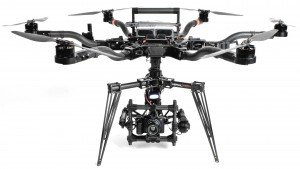
I often get asked “which drone is best for caves?“. Well, the answer isn’t a simple one and for me the choice of drone is often dictated by the production that I’m working on. I never allow the production to have full control as sometimes a large heavy lift drone weighing 20kg simply isn’t practical or safe to operate within a small cave. In those instances, I will always recommend the best drone for the job given the client requirements and the area that we’re filming in. If however, your planning on buying your first drone specifically for filming in caves, I can recommend a number of things you should consider. Drones are changing all the time, so rather than recommend a particular drone, I can tell you what to watch out for. Ideally, a smaller drone is better and increases confidence, sensors are good (especially 360 sensors) as these will prevent the drone from getting too close to the walls, floor and ceiling, a decent low light camera is a must otherwise you wont be happy with the results (cheap drones often have cheap cameras that aren’t suitable for filming in the dark, so check out YouTube videos of other peoples night time and dark filming with the drone that you’re considering).
Launching and Landing
Make sure that you’ve given consideration to how you will take-off and land the drone. If there is space to land on the ground, that may be the safest option. But, if it is wet or there is a lack of space, it may be necessary to hand launch and recover or use a flat piece of wood as a platform. If you decide to hand launch your drone, firstly practice on land and don’t forget to read our Top Tips for Hand Launching a Drone.
Good Communications
Make sure you have good and effective communication with the film crew and that they have been briefed on drone safety and operations. Effective communication with everyone will enable you and your team to move around efficiently and effectively to capture the best shots. If you’re operating from a large cave, walkie talkies may be a good form of communication.
Light
Caves are naturally very dark places and I always think of light as my friend. To that end, make sure you have adequate lighting not only on the drone, but also the operating area and the cave itself. Production lighting which is often used to highlight the different areas of the cave is always helpful and sometimes bouncing the light from a wall can help with depth perception and partial lighting of the operating area. Different coloured lights on the front and back of the drone is a good way to orientate yourself. Some of the heavy lift drones that I fly don’t have any in-built orientation lights, so I attach my own using tie-wraps and velcro; I always prefer green on the front and red on the back. Head torches are a must and can be used to highlight the landing area and pilot transmitter. My head torch has a red and white light which is great as the red light doesn’t affect your night vision and you can quickly turn it off without experiencing any discomfort. Finally, make sure you have more than one light source for each of the areas, so that in the event of one light failing, your secondary backup light will still operate.
Pilot and Drone DOP Safety
Make sure that you as the drone pilot and your drone DOP have plenty of space to work and that you have a comfortable and secure place to sit to operate the drone. It is imperative that no one stands in front of you and that you have a good signal to the drone and good vision at all times. Depth perception can be a big problem in caves where everything is black and dark and difficult to see, so bouncing some lights off the walls not only adds character and depth to the area, it mitigates risk and improves depth perception.
Failsafe
Make sure that your failsafe is set to “Hover” as opposed to “Return to Home” or “Land”. Caves are dark and wet places and you wouldn’t want your drone to even land as it is likely to have craggy rocks or water below. Some drones have sideways, upward and downward collission avoidance sensors and these can be great for first timers. There are also some drones which allow you to turn the sensors off unless there is a failsafe in which case the sensors are used in the absence of GPS and allow the drone to hover in the same position until control is regained.
Take Off, Land and Fly in ATTI
Make sure you take off, land and fly in ATTI mode as GPS mode will not be available under ground as there are no satellites. It is always a good idea to practice flying on the surface in ATTI mode before you try this under ground. If your drone has collission avoidance sensors, you may want to consider enabling these – this is very much personal preference and every cave is different and may or may not allow you to use them depending upon the free space available around the drone.
Landing Power
Make sure you land with plenty of power in reserve. I would always recommend landing your drone with at least 3.7v per cell of power. This gives plenty of scope for an emergency or re-attempt if required.
Insurance
Make sure your drone insurance covers you for operating within a cave. Many drone insurance companies may charge an additional premium if the flight proposes additional risk.
Don’t Panic
Above everything, be confident, calm and professional at all times and capture those amazing shots that you didn’t think were possible. Enjoy and I hope this check list has been helpful.
If you have any comments or feel I have left something out, please feel free to send me an email.
Stef x
Our caves
- Fingals Cave
- Alum Pot Cave
- Gaping Gill Cave
- Yordas Cave


