

DJI Mini 5 Pro Commercial Drone Pilot UK

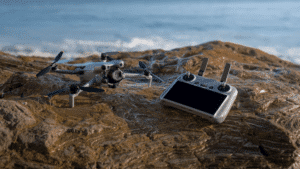
DJI Mini 5 Pro Commercial Drone Pilot UK
The Crown Estate Updated Drone Regulations
Responsible Drone Operations on Crown Estate Land
The Crown Estate manages a significant proportion of the UK’s foreshore and estuarine environments, including coastal margins, tidal rivers, and intertidal zones. These areas are environmentally sensitive, operationally complex, and often shared with other legitimate users such as the public, maritime traffic, wildlife, and critical national infrastructure. As such, the Crown Estate places strong emphasis on the safe, responsible, and well-managed use of drones within the land and seabed it oversees.
Drone operations over foreshore and estuarine areas can provide substantial benefits, including aerial surveying, environmental monitoring, infrastructure inspection, scientific research, media production, and emergency response support. However, these activities must be conducted in a manner that protects people, wildlife, property, and the natural environment, while also respecting existing legal and regulatory frameworks.
Operators planning to fly unmanned aircraft over Crown Estate land are expected to demonstrate a clear understanding of their responsibilities. This includes compliance with UK aviation legislation and guidance issued by the Civil Aviation Authority (CAA), as well as consideration of land access rights, environmental protections, and local operational constraints. In many cases, additional permissions or consents may be required beyond standard aviation approval, particularly where flights take place at low altitude, involve specialist payloads, or are conducted repeatedly or commercially.
Foreshore and estuarine environments present unique operational challenges. Tidal movements, changing weather conditions, strong winds, salt exposure, and electromagnetic interference from nearby infrastructure can all affect flight safety. In addition, these areas may support protected habitats and species, including seabirds and marine mammals, which can be disturbed by inappropriate drone activity. Responsible operators should ensure that suitable mitigations are in place, such as seasonal restrictions, exclusion zones, altitude management, and clearly defined emergency procedures.
Risk assessment and operational planning are critical. Drone pilots should carry out site-specific assessments that consider airspace classification, proximity to people and vessels, take-off and landing locations, contingency planning, and coordination with other stakeholders where appropriate. For commercial or advanced operations, this may include documented operating procedures, crew briefings, and evidence of competency and insurance.
The Crown Estate’s guidance exists to provide clarity and consistency, ensuring that drone use across its land is proportionate, safe, and aligned with wider public and environmental interests. By following this guidance, operators help maintain continued access to these areas for legitimate drone activities while reducing the risk of incidents, complaints, or enforcement action.
Importantly, responsible operation is not solely about regulatory compliance; it is also about professionalism and stewardship. Drone operators represent a rapidly growing sector, and behaviour on publicly owned land contributes directly to how the industry is perceived by regulators, landowners, and the wider community. Transparent planning, early engagement where required, and adherence to best practice all support the long-term sustainability of drone operations in coastal and estuarine environments.
If you are intending to operate a drone over Crown Estate land, you should review the information and guidance provided below before undertaking any flight activity. Doing so will help ensure your operation is safe, lawful, and respectful of the unique characteristics of these environments.
Download The Crown Estate Drone Terms and Conditions.
Read more on The Crown Estate Drone Regulations website.
Quick Overview
The Crown Estate supports the safe and responsible use of drones across the foreshore and estuarine areas it manages. Operators planning to fly over Crown Estate land must ensure compliance with UK aviation regulations, consider environmental sensitivities, and follow any applicable landowner guidance or consent requirements. Reviewing the information below before flying helps ensure operations are lawful, well-managed, and respectful of these shared and often sensitive environments.
Call us today for a friendly and informal chat about how best operate on Crown Estate land.


