


Drone Lipo Battery Care
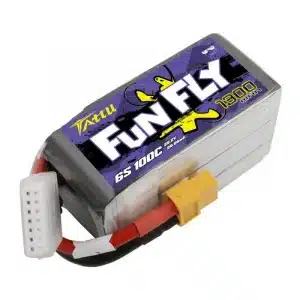
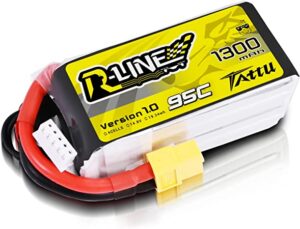
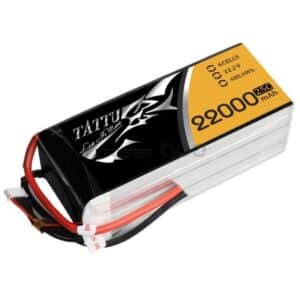
LiPo also known as Lithium Polymer batteries are the most common batteries used within drones and other radio control kit such as RC motorcycles, cars, trucks, tanks, boats, submarines, fixed wing, helicopters and robots. LiPo batteries come in many shapes and form and can be very dangerous if not handled and cared for properly. There are some example photos of different batteries in the side column – check them out!
In this top tip page, I’ll be looking at the dangers and how to take good care of your batteries to make sure they last for many years to come.
You may or may not know that LiPo batteries can be very dangerous and unpredictable. Dropping, crushing or unintentionally damaging a battery can cause the battery to immediately combust into a violent fire or best case, shorten the life of your battery. A quick check of YouTube and you’ll find many examples of LiPo battery fires and dangers.
My top tips cover everything from everyday usage and charging TO preparation before charging, storage, transporting and disposal.
My #1 Tip
The #1 tip is of course, never leave a LiPo battery unattended whilst charging or discharging.
General LiPo Do’s and Don’ts
- Don’t strike a battery
- Don’t drop, hit or bend batteries
- Don’t try to open or repair a battery
- Don’t disassemble the cells.
- Don’t incinerate nor dispose of batteries in fire.
- Don’t dispose of batteries in liquid such as water or other liquids.
- Do store your batteries in a safe storage container
- (I personally use military ammunition boxes which can be purchased from eBay or Amazon)
- Do store your batteries within the optimum storage temperature
- Do dispose of damaged batteries
- Do dispose of old batteries responsibly by taking to land fill or recycling centres.
Before Charging LiPo Batteries
- Always read the instruction manual
- Always double check the type of battery to make sure its a LiPo battery
- Always double check the number of cells and voltage before each charge
- Always make sure that the voltage is above the minimum safe starting voltage.
- If the starting voltage is below recommended voltage, your batteries have been over-discharged or have failed and should NOT be charged or used.
Charging LiPo Batteries
- Always remove the batteries from the drone before charging
- Always use a recommended LiPo charger designed for the number of cells and voltage
- Always double check a multi battery type charge is set to LIPO
- Always charge batteries in a well ventilated and open area away from flammable materials, liquids and surfaces
- Always let used batteries cool down for an hour before charging
- Never charge batteries that are too hot to the touch
- Never charge batteries below freezing
- Never charge at a rate higher than 1C which is one times the capacity of the battery in amp hours
- Never overcharge batteries over their rated maximal voltage which is typically 4.2v per cell
Using and Flying LiPo Batteries
- Always check the battery for damage before flying
- Always check the battery cables and connectors before connecting and flying
- If possible, use a LiPo battery alarm to monitor the state of the battery voltage
- Never discharge battery to a level below 3.2v per cell whilst under load
- For most drone batteries, the recommended cut off voltage is 3.5v per cell
- Always keep batteries in a safe area and observe them for an hour after discharge
Discharging LiPo Batteries
- Always use a recommended and purposeful battery discharging device
- Always discharge batteries at the amperage rate specified on the label
- Always keep a careful eye on the temperature of the battery during discharge
- Never allow the temperature of batteries to exceed 60°C during discharge
Everyday Storage and Long Term Storage of LiPo Batteries
- Always check the battery for damage
- Always check the battery cables and connectors for damage which could risk shorting
- Always make sure that the battery alarms are removed
- Always make sure that the batteries are stored within their operating temperature range
- Always make sure that the voltage is equal to the storage charge (for long term storage)
- Always make sure that the voltage is full, for short term storage (such as travelling to location to fly)
- Always make sure that the batteries are kept in a fireproof bag
- Always make sure that the batteries are kept in a rugged safety container (e.g. Ammo Box)
- Always make sure that you have separators between the batteries to avoid them bumping into each other
- Never store batteries in extreme temperatures or direct sunlight
- For everyday storage, always store batteries at -10℃ to 45℃ range
- For long term storage, always store batteries at 23℃ ± 5℃ at a voltage of 3.6v to 3.9v per cell
If everything goes to pot! – Don’t Panic
If everything goes to pot! The #1 tip would be “Not to Panic”, be confident and calm.
- Always keep a fire blanket or extinguisher close at hand and make sure its compatible with LiPo battery fires
- If I’m working on set, we always have a fire extinguisher and blanket in our van
If you have any comments or feel I have left something out, please feel free to send me an email.
Stef x


